Wednesday, December 29, 2010

Important information on purchasing a replacement combustor

Please remember this very important information....


Cell density (16 or 25 cpsi) plus the combustor dimensions are both very important to the stove’s operation. The combustor's size and cell density was designed into the stove by the stove's manufacturer for best performance.
1. Open frontal area of the combustor is designed to receive the flow rate of the gases coming from the firebox.

2. The combustor’s size and cell density will control the residence time needed for the gases to burn within the combustor.

Always replace the stove’s combustor, when needed, with the original OEM combustor size and cell density for best efficiency and performance of the stove.

Friday, December 24, 2010

Tuesday, December 21, 2010

Important things to make sure of when having a new stove installed

DO insulate your existing masonry chimney, especially if it's located on an outside wall.
Why?
Because insulation helps create a proper draft and prevents icing, which can block your chimney.

DO insulate the space between the existing masonry chimney and the flue, but do not use loose pack insulation.
Why?
Because loose packed insulation can enter the flue and block the flue gases.

DO use the manufacturer's recommended flue diameter. For woodstoves vented through an existing masonry fireplace chimney, use solid pack insulated lining to fit the stove flue into the chimney.
Why?
Because an improperly sized flue will not provide the draft needed to operate the stove. Also, smoke may leak into your house through the air inlets without proper draft.

DO make certain that all seals connecting the stove to the flue, and within the flue, are as airtight as possible.
Why?
Because tight seals will prevent smoke from leaking into your house and contribute to good draft.

DO determine the correct amount of draft for your stove. Draft is the force that moves hot gases up through the flue. Draft depends on the length of the flue, local geography, nearby obstructions, and other factors. Consult certified installers and chimney sweeps (they may have draft gauges to measure draft).
Why?
Because too much draft produces an uncontrolled burn and may cause the stove parts to overheat. This can damage the stove. Too little draft will cause "backpuffing" of smoke into the room, or will accelerate the deposit of soot in the stove or flue.

Friday, December 17, 2010

How can I tell that a stove is EPA certified?


All certified woodstoves offered for sale will have a permanent and a temporary label indicating that the stoves are EPA-certified. The temporary label will also contain information that you will find useful when shopping for a new stove.


The label will tell you generally how clean and how efficient each woodstove is.


However, because regulations require all new stoves to burn much cleaner and more efficiently than unregulated woodstoves, there should not be significant differences in efficiency and emissions performance among the certified catalytic models. This holds true for the non-catalytic models as well.


The label will also indicate which stoves are equipped with catalytic combustors. Perhaps the most important information on the label you will need when selecting a stove is the heat output range.


Use this information to help select the right size stove for the space you will be heating.


Friday, December 10, 2010

Fueling tips

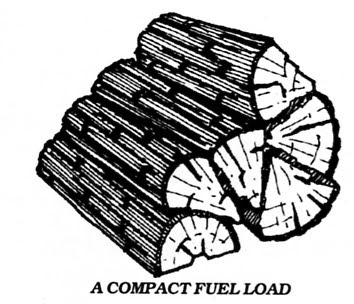
How to load your fuel techniques may vary, but shown below are the two most common.

Small pieces of wood arranged loosely in a crisscross pattern burn quickly because the combustion air can reach all the pieces at once.


Larger pieces placed compactly burn more slowly because there are fewer spaces where the air can penetrate the load.

Never add just one or two pieces of wood to a fire. Three or more pieces are needed to form a sheltered pocket of glowing coals that reflect heat toward each other and sustain the fire.

Tuesday, December 7, 2010

Can an EPA certified catalytic stove save you money?


Yes, For example, if you have a typical unregulated stove and use three cords of wood (at $100/cord) and have three chimney cleanings (at $50 each) per season, you can save about $200 per season by purchasing a new EPA-certified stove.


If the new stove is catalytic, you will save an additional cord of wood out of every three cords you burn each season. (see my 2/08/08 posting on: What are the advantages of using a catalytic wood burning stove?)

Your actual savings will vary according to how often you use your stove and other factors. Nationwide, the net savings from reduced firewood consumption and fewer chimney cleanings is estimated to be $30 million annually. In addition, the health and welfare benefits resulting from fewer smoke-related illnesses and from reduced materials damage is estimated at about $1.5 billion annually.

Friday, December 3, 2010

Does the combustor "glow" when it is working?


This is a misconception.


A catalyst can glow during certain stages of combustion. The determination that a catalyst is not working simply because it doesn't glow is inaccurate.

During the low burn cycle, when the catalyst is doing the bulk of its work, it usually does not glow.

Also, extremely dry wood (oak, ash, etc...) can burn clean enough not to produce a glow in the catalytic combustor.